In today’s fast-evolving insurance landscape, usage-based auto insurance (UBI) has gained significant traction among drivers seeking more personalized and potentially cost-effective coverage. But what exactly is usage-based insurance, and is it worth the hype? For many, the answer depends on driving habits, lifestyle, and comfort with technology.
In this comprehensive article, we’ll explore what usage-based auto insurance is, how it works, its advantages and disadvantages, and who stands to benefit the most from this innovative coverage model. By the end, you’ll have a clear understanding of whether UBI could be the right choice for you.
What Is Usage-Based Auto Insurance?
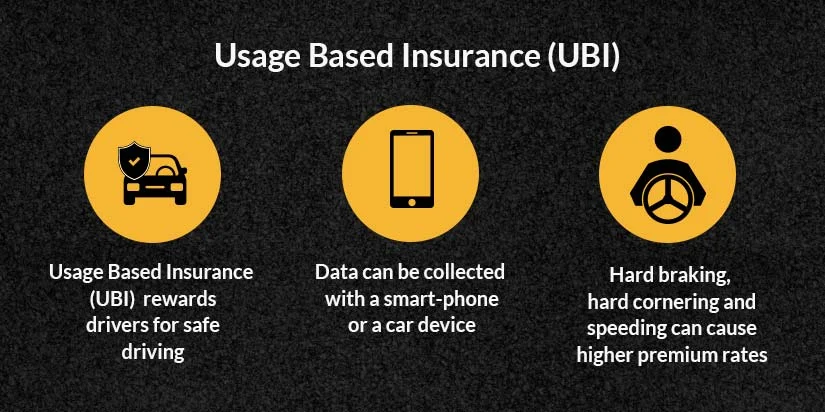
Usage-based auto insurance is a policy where your driving behavior directly impacts your premium. Instead of paying a fixed rate based primarily on demographic and historical data, UBI uses telematics technology—such as GPS devices or smartphone apps—to monitor how, when, and how far you drive.
Common Metrics Tracked by UBI Programs:
- Mileage driven (lower mileage usually means lower premiums)
- Driving time (daytime vs. nighttime driving)
- Speeding events
- Hard braking and rapid acceleration
- Cornering habits
Your insurer collects this data, analyzes your driving style, and adjusts your premium accordingly, rewarding safer and less frequent drivers with discounts.
How Does Usage-Based Auto Insurance Work?
Most usage-based programs require one of the following methods:
- Plug-in device: A small telematics device plugs into your car’s OBD-II port to collect data.
- Smartphone app: Some insurers use an app that tracks driving using your phone’s sensors and GPS.
- Built-in vehicle telematics: Modern cars often come with factory-installed telematics systems that insurers can access.
Once enrolled, you agree to share driving data for a trial period (usually 3–6 months). Afterward, your insurer reviews your driving behavior to calculate your premium or discount for the next policy term.
Advantages of Usage-Based Auto Insurance
1. Potential for Significant Savings
For safe drivers who:
- Drive less than average miles
- Avoid speeding and aggressive driving
- Limit night or high-risk driving
UBI can result in discounts ranging from 10% to 30% or more. It’s an excellent option for those who want to pay based on actual risk instead of broad averages.
2. Encourages Safer Driving Habits
By providing feedback on your driving patterns, UBI programs motivate drivers to:
- Brake smoothly
- Avoid rapid acceleration
- Reduce speeding
- Drive defensively
This not only lowers premiums but can also enhance safety for you and others on the road.
3. Fairer Pricing Model
Instead of penalizing low-mileage or infrequent drivers with higher fixed premiums, UBI aligns cost with actual use, making insurance more equitable for those who don’t drive often or only use their vehicles for essential trips.
4. Convenient Access to Driving Data
Many UBI programs come with apps that provide driving reports, scores, and tips—helping you better understand your driving habits and make improvements.
Disadvantages of Usage-Based Auto Insurance
1. Privacy Concerns
Sharing detailed driving data raises valid concerns about data privacy and security. Some drivers are uncomfortable with insurers monitoring their every move or how that data might be used beyond pricing.
2. Technology Limitations
- Devices can malfunction or be incompatible with certain vehicles.
- Smartphone apps may drain battery or lose signal.
- Data inaccuracies can unfairly impact your premium.
3. Not Ideal for All Drivers
Aggressive or high-mileage drivers might face increased premiums under UBI programs, making it less appealing for:
- Long-distance commuters
- Drivers with unpredictable schedules
- Individuals who frequently drive in heavy traffic or at night
4. Potential Impact on Premium Stability
Since rates adjust based on ongoing driving behavior, premiums can fluctuate year over year, making budgeting insurance costs more challenging.
Who Should Consider Usage-Based Auto Insurance?
Ideal Candidates:
- Low-mileage drivers: People who drive fewer than 10,000 miles annually.
- Safe and cautious drivers: Those who consistently obey speed limits and drive defensively.
- Young or new drivers: Those looking to prove safe driving habits and earn discounts.
- Tech-savvy individuals: Drivers comfortable with using smartphone apps or telematics devices.
- Secondary vehicle owners: Cars used infrequently or for specific purposes.
How to Decide If Usage-Based Insurance Is Right for You
✅ Evaluate Your Driving Habits
- Do you drive mostly during the day?
- Is your mileage low compared to the average?
- Are you a careful driver with minimal speeding and sudden stops?
If yes, UBI might lower your premium.
✅ Research Insurers and Programs
Not all insurers offer the same UBI plans. Compare:
- Discount rates and potential savings
- Device or app requirements
- Data privacy policies
- Trial periods and cancellation terms
✅ Understand Your Comfort Level with Monitoring
Consider how comfortable you are with sharing real-time driving data. Transparency with your insurer about data usage is key.
✅ Try Before You Commit
Many insurers offer trial periods allowing you to test the program risk-free. Use this opportunity to see if your premium decreases and if you appreciate the driving feedback.
Final Thoughts
Usage-based auto insurance represents a revolution in how premiums are calculated, offering a personalized and potentially fairer pricing model based on your real driving behavior. For the right driver—typically a safe, low-mileage individual—UBI can mean substantial savings and valuable insights to improve safety.