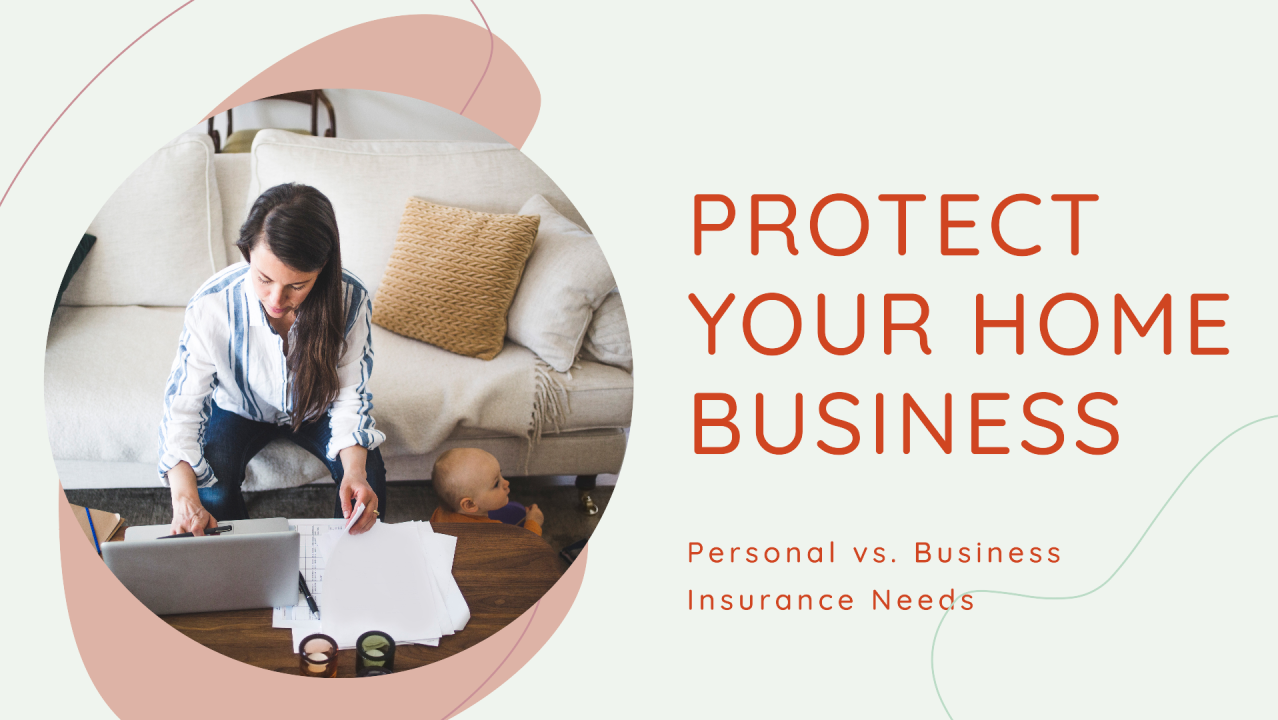
Operating a business from home offers flexibility and convenience, but it also introduces unique risks that traditional personal insurance policies may not cover. If you run a home-based business, understanding whether you need specialized insurance coverage is critical to protect your assets, finances, and reputation.
In this detailed guide, we explore the importance of insurance for home businesses, what types of coverage you may need, and how to make sure you’re adequately protected without overpaying.
Why Your Personal Insurance May Not Be Enough
Most homeowners or renters insurance policies provide limited or no coverage for business activities conducted from home. This gap means:
- Your business equipment, inventory, or supplies may not be protected if damaged or stolen.
- Liability arising from business operations might not be covered if someone is injured on your premises during business hours.
- Business interruptions due to fire, theft, or natural disasters may not be compensated.
Because of these gaps, relying solely on personal insurance exposes your home business to significant financial risk.
Types of Insurance Home Businesses Should Consider
1. Business Owner’s Policy (BOP)
A Business Owner’s Policy is a comprehensive option combining property insurance and liability coverage designed for small businesses. It typically covers:
- Damage to business property, equipment, and inventory
- Liability for bodily injury or property damage caused by your business
- Business interruption losses
Many insurers offer BOPs tailored for home-based businesses at reasonable rates.
2. Commercial Property Insurance
If you have valuable equipment, inventory, or supplies stored at home, commercial property insurance protects against loss or damage due to fire, theft, or natural disasters.
3. General Liability Insurance
This coverage protects your business against claims related to:
- Customer injuries on your property
- Property damage caused by your business activities
- Legal defense costs if sued
It’s especially important if clients or vendors visit your home.
4. Professional Liability Insurance (Errors and Omissions Insurance)
If your home business provides professional services or advice (consulting, design, coaching), this insurance covers claims of negligence or mistakes that cause financial harm to clients.
5. Home Business Insurance Endorsement
Some insurers offer endorsements (add-ons) to your existing homeowners or renters policy, extending coverage for limited business activities. This can be cost-effective but often has coverage limits.
Factors to Determine Your Insurance Needs
Nature of Your Business
- Product-based businesses with inventory need property and theft coverage.
- Service-based businesses may prioritize liability or professional liability insurance.
- Businesses with clients visiting your home require liability protection.
Business Size and Revenue
Higher revenue and more equipment generally mean greater exposure and insurance needs.
Homeowner Association or Lease Restrictions
Check if your HOA or lease agreement requires specific insurance types or limits.
Legal Requirements
Certain business types may be legally required to carry liability or workers’ compensation insurance, even when home-based.
Benefits of Insuring Your Home Business
- Financial Protection: Avoid catastrophic losses from property damage, theft, or liability claims.
- Peace of Mind: Focus on growing your business without worrying about unforeseen risks.
- Professional Credibility: Clients may require proof of insurance before doing business.
- Compliance: Meet legal or contractual insurance requirements.
How to Obtain Insurance for Your Home Business
1. Assess Your Risks
Inventory your business assets, operations, and potential liabilities.
2. Review Existing Policies
Understand what your homeowners or renters insurance covers and what it excludes.
3. Consult an Insurance Agent
Work with an agent experienced in home business insurance to tailor coverage to your needs.
4. Compare Quotes
Obtain multiple quotes to ensure competitive pricing and coverage.
5. Regularly Update Coverage
As your business grows, revisit your insurance needs to avoid being underinsured.
Final Thoughts
Running a business from home blends personal and professional life, but it also blends risks. Without the right insurance, you may expose yourself to financial hardship from events that are preventable or manageable with proper coverage.