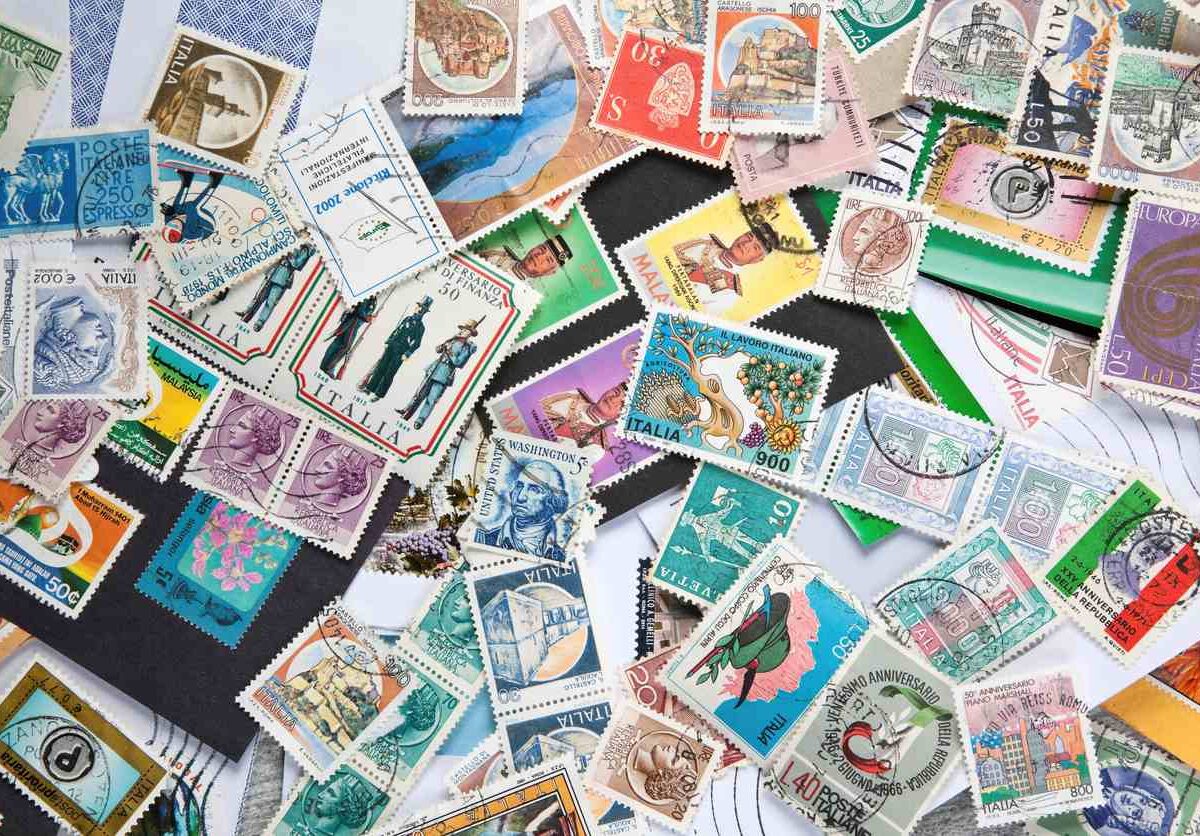
Rare and collectible items—whether they are vintage watches, fine art, rare coins, classic cars, or valuable antiques—represent not only significant financial investments but often deep personal and historical value. Protecting these prized possessions requires specialized insurance that goes beyond standard homeowner’s policies, which typically offer limited or inadequate coverage for collectibles.
This comprehensive guide dives into the essentials of insurance for rare and collectible items, helping you understand why specialized coverage matters, what options are available, and how to ensure your valuables are properly protected.
Why Standard Homeowners Insurance May Not Be Enough
Most homeowners insurance policies include a limited amount of coverage for personal property, but this coverage often has strict limits for high-value collectibles. For example:
- The maximum payout for jewelry or art might be capped at a few thousand dollars.
- Valuables may be subject to depreciation or replacement cost clauses that undervalue rare items.
- Coverage often excludes loss due to mysterious disappearance, accidental damage, or certain types of theft.
Without adequate protection, you risk significant financial loss if your collectible is damaged, stolen, or destroyed.
Types of Insurance for Rare and Collectible Items
1. Scheduled Personal Property Insurance
Also known as endorsement or floaters, this type of coverage schedules individual high-value items separately on your policy with their appraised values. Key benefits include:
- Full coverage for the agreed value, regardless of standard policy limits
- Protection against a wide range of risks, including accidental damage and theft
- Worldwide coverage in most cases
2. Standalone Collectibles Insurance Policies
For collectors with multiple high-value items, a standalone policy provides comprehensive coverage tailored specifically for their collection. This may include:
- Flexible valuation methods such as agreed value or market value
- Coverage for restoration or conservation costs
- Customized protection plans for niche collectibles like vintage wines or rare books
3. Classic Car Insurance
Specialized insurance for collectible vehicles offers benefits beyond regular auto insurance, including:
- Agreed value coverage
- Mileage limits tailored to collector use
- Coverage for show or exhibition damages
How Are Rare and Collectible Items Valued?
Accurate valuation is essential to obtaining appropriate coverage. Insurers typically require:
- Professional appraisals conducted by qualified experts familiar with the specific item type.
- Documentation such as certificates of authenticity, purchase receipts, and photos.
- Periodic reappraisals to reflect changes in market value, especially for highly volatile collectibles like art or coins.
Important Coverage Considerations
1. Agreed Value vs. Replacement Cost
- Agreed Value: You and the insurer agree on the item’s value beforehand. This eliminates depreciation concerns and ensures you receive the full agreed amount if a loss occurs.
- Replacement Cost: Covers the cost to replace the item at current market prices, which may not reflect rarity or sentimental value.
2. Coverage Limits and Deductibles
Understand the coverage limits, deductibles, and any exclusions that may apply. Some policies have per-item limits or total sublimits for specific categories.
3. Risk Factors Covered
Check if the policy includes protection against:
- Theft and burglary
- Accidental damage
- Fire and natural disasters
- Mysterious disappearance or loss
- Transit and exhibition risks
Tips for Insuring Your Rare and Collectible Items
- Get professional appraisals regularly to keep coverage up to date.
- Maintain thorough documentation: photos, receipts, certificates, and appraisals.
- Store items securely in safes, vaults, or climate-controlled environments to reduce risk.
- Work with insurance specialists who understand the unique needs of collectors.
- Review your policy annually to ensure adequate coverage as your collection grows or values fluctuate.
Why Proper Insurance Matters
Rare and collectible items often appreciate over time and can be nearly impossible to replace. Adequate insurance:
- Provides financial protection and peace of mind
- Protects your investment against unforeseen loss or damage
- Ensures your legacy and passion for collecting endures for future generations
Final Thoughts
Insurance for rare and collectible items is a vital but often overlooked part of responsible ownership. Given the specialized nature and high value of these possessions, investing in tailored coverage is essential to safeguard your collection from risks that ordinary insurance policies do not address.